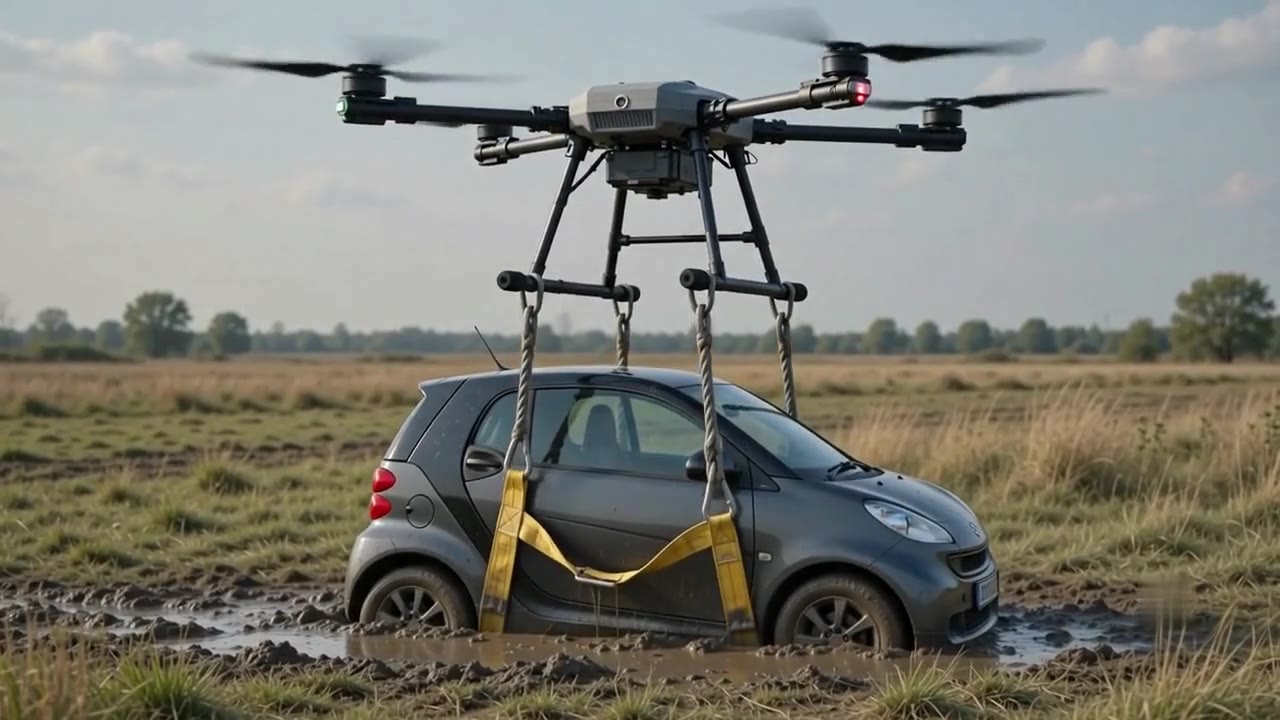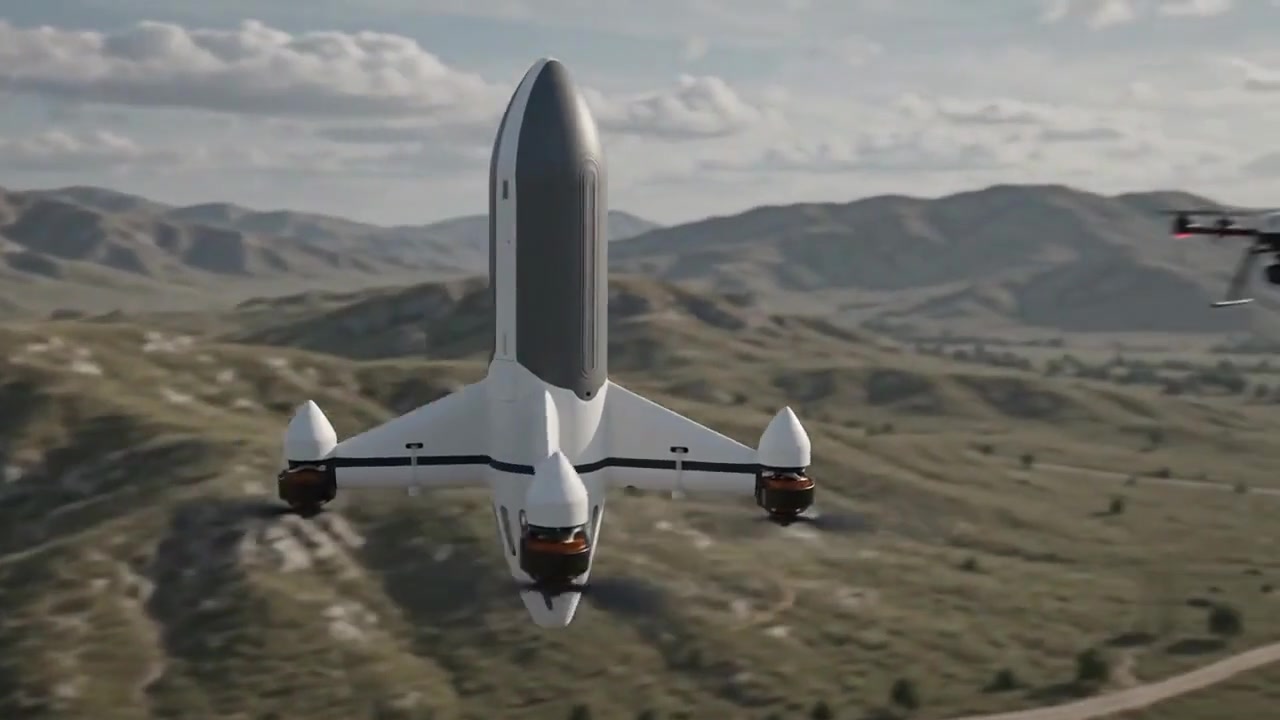
Lifting the impossible. Delivering the unreachable.
Inspect
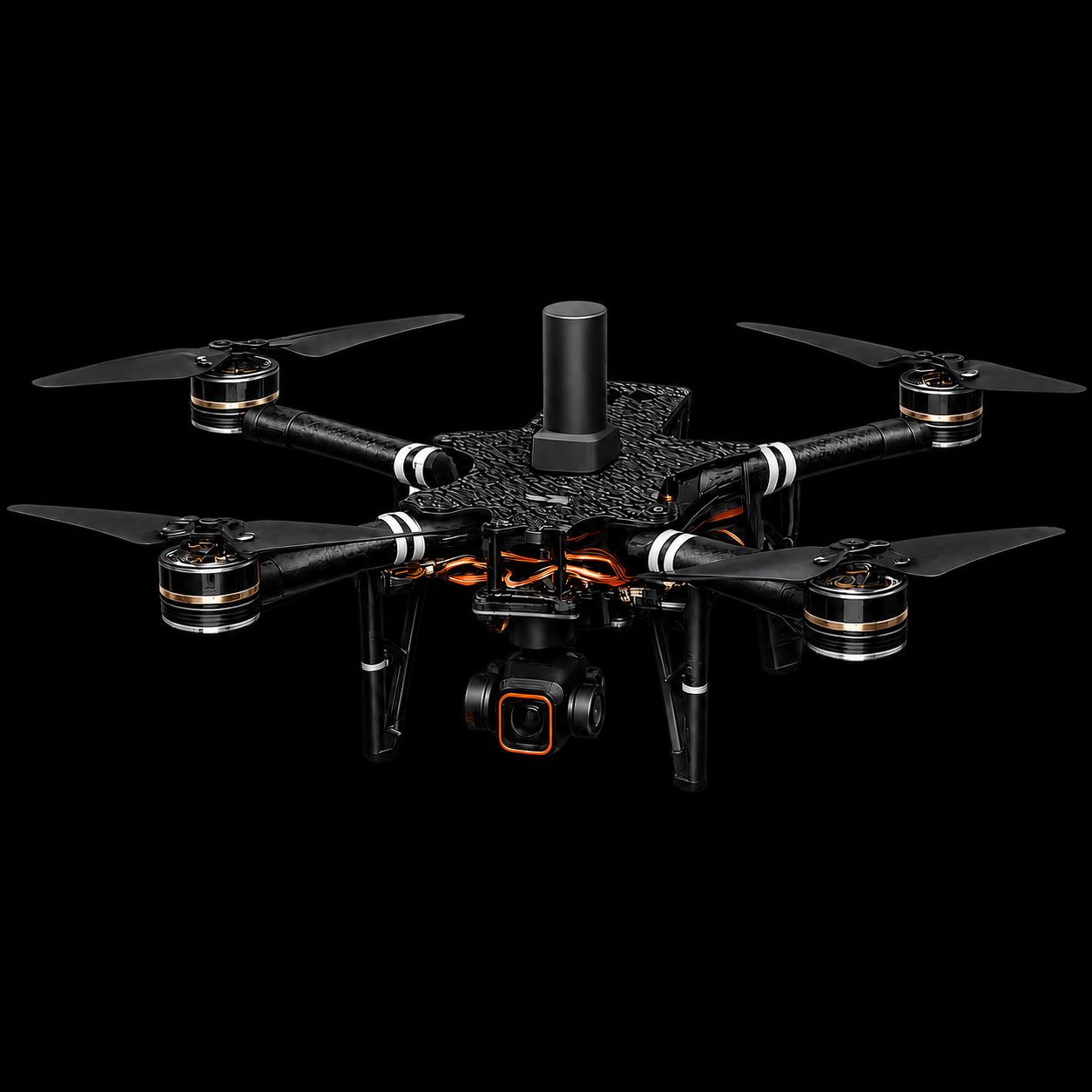
Move your cursor, or tilt your phone, to orbit the aircraft. Tap a marker to inspect a subsystem.
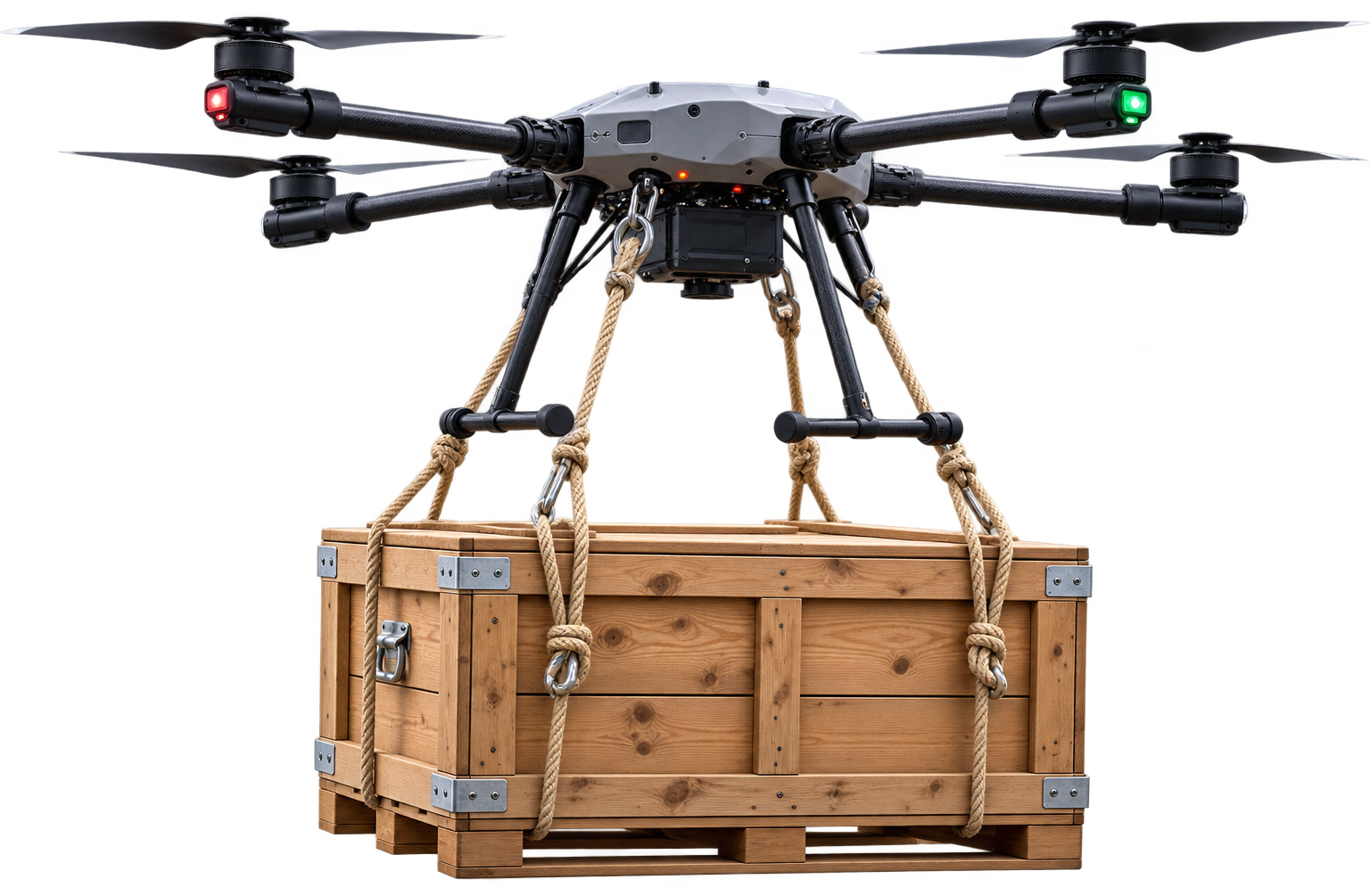
01 · Load
A universal mechanical and electrical interface accepts cargo box, medical cold-chain, winch, agri hopper, LiDAR or EO/thermal pods in minutes.
02 · Fly
RTK GNSS waypoint flight at 15 m/s with obstacle sensing and terrain following, supervised by dual voting autopilots. BVLOS-ready.
03 · Deliver
Land to release or lower cargo by winch onto rooftops, ships and rough terrain. Hot-swap packs and launch the next sortie in minutes.
Technical specifications
50 kg-class autonomous cargo multirotor built from aviation carbon fibre and aluminium. RTK precision, redundant autopilots, seven swappable mission pods.
All figures are design targets from the TitanWing-50 concept specification and are subject to confirmation through flight-test certification. Range, endurance and altitude are affected by payload, wind, temperature and air density.
Capabilities
50 kg-class payload fraction: cargo that matters, not token weight.
Dual voting autopilots, independent IMUs, thrust margin for motor-out.
Centimetre positioning for take-off, delivery and docking.
Multi-link comms, geofencing, compliance-by-design.
One aircraft, seven missions, swapped in minutes.
GCS, cloud dashboard, enterprise APIs, predictive maintenance.
End-to-end encryption, signed firmware, role-based access.
Hot-swap packs; throughput scales with fleet, not crew.
Use cases
Inter-facility transport of tools, parts and samples.
Equipment and samples across pits and haul roads.
Cold-chain vaccines, blood and medicines to remote clinics.
Material lift and LiDAR site survey.
Parts to towers; EO/thermal inspection.
Input logistics, spraying and spreading.
Food, water and medicine to cut-off communities.
Winch resupply to ships, platforms and islands.
Scheduled autonomous routes between fixed points.
Non-combat resupply of remote posts.
Gallery
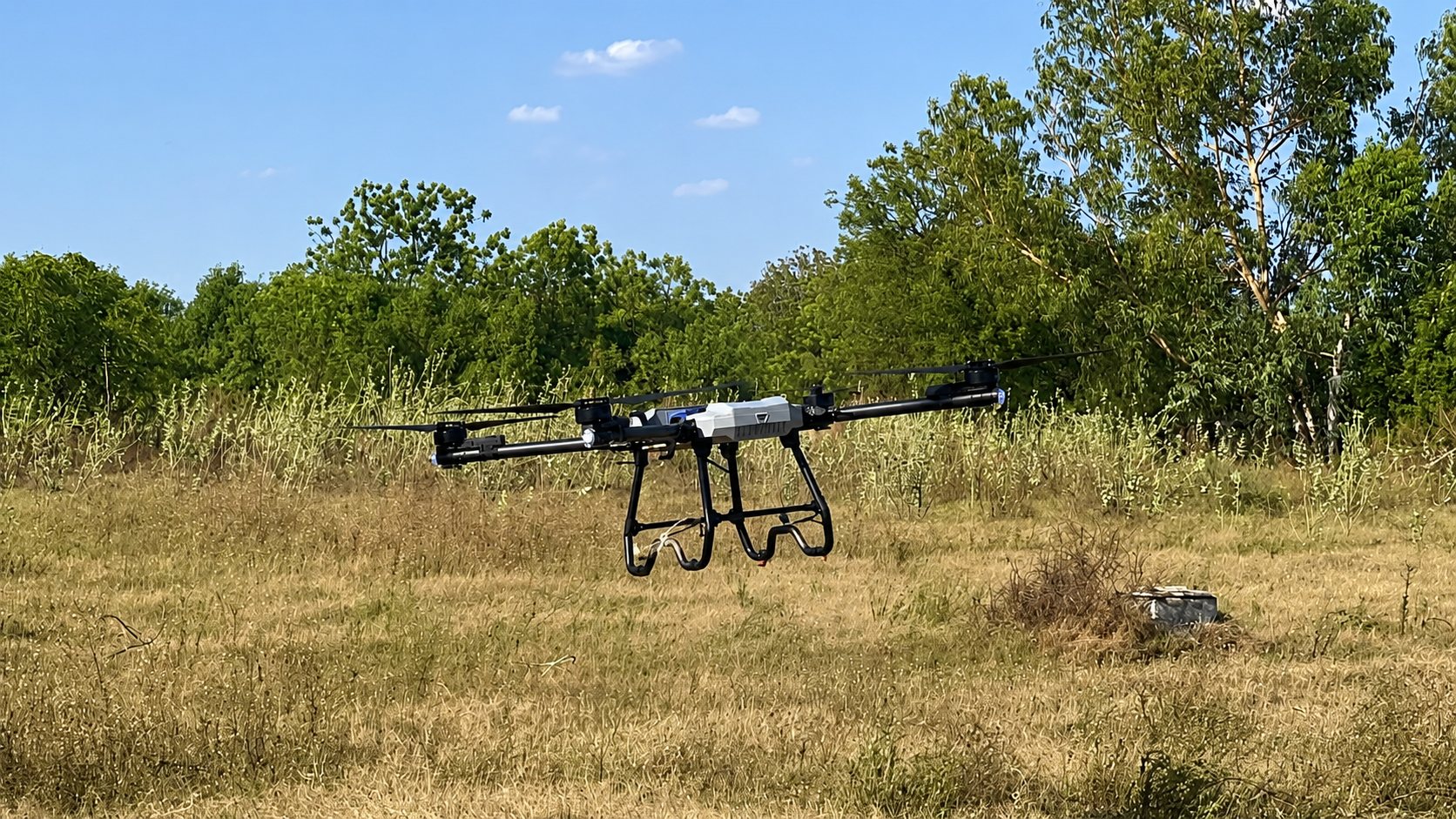
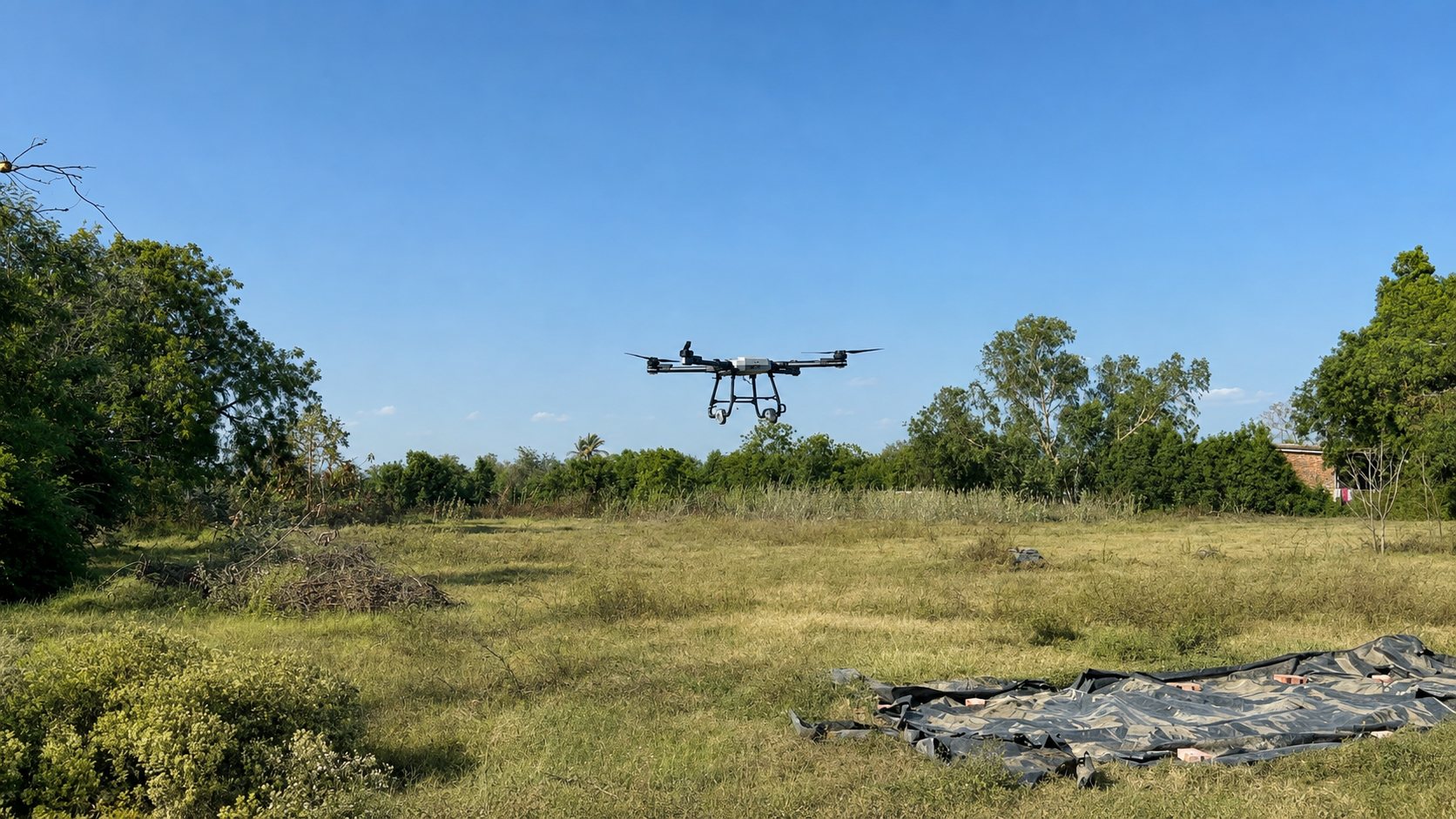
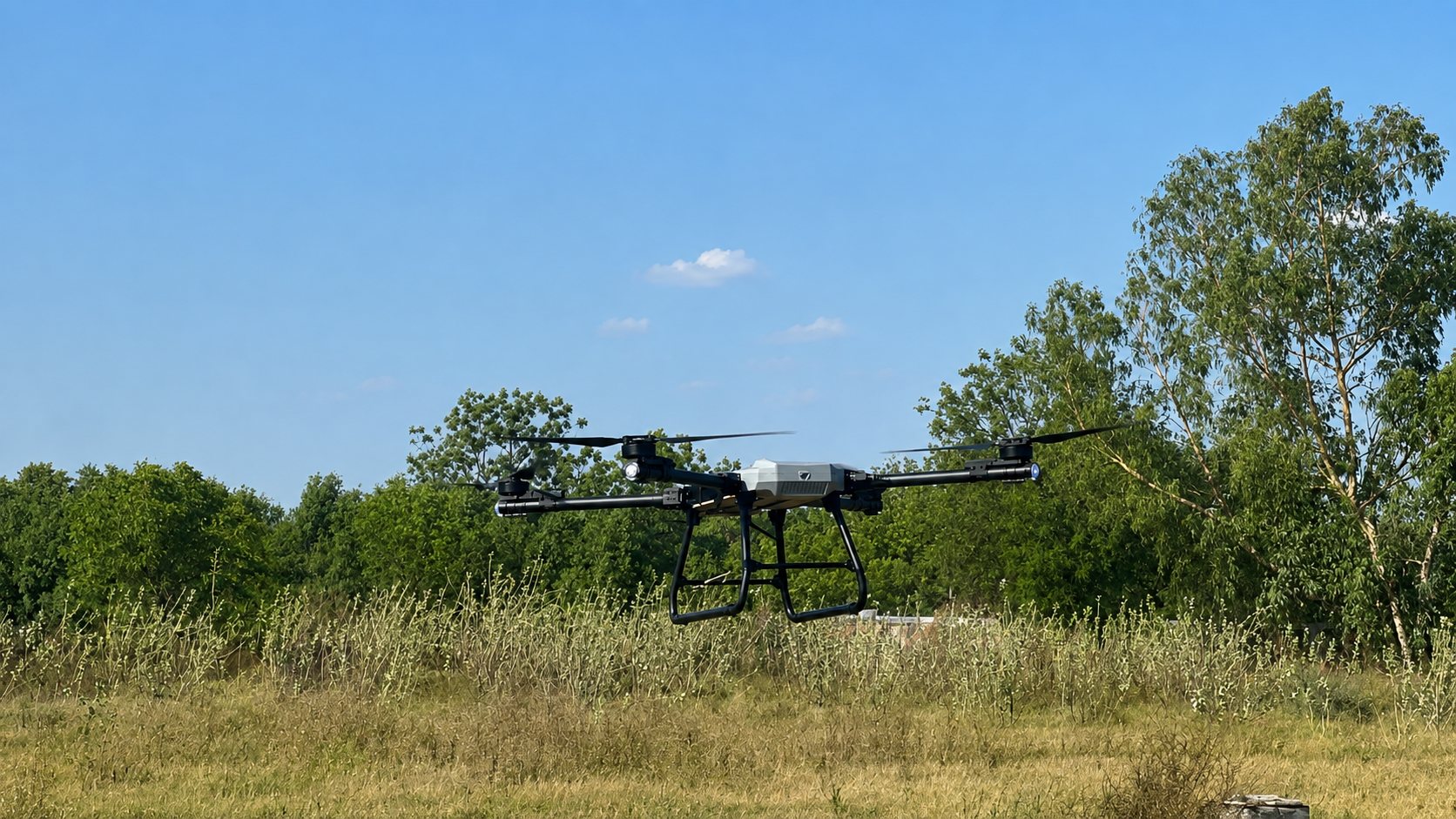
Prototype builds and field trials of TitanWing-50, photographed by the SkySpectra engineering team.